

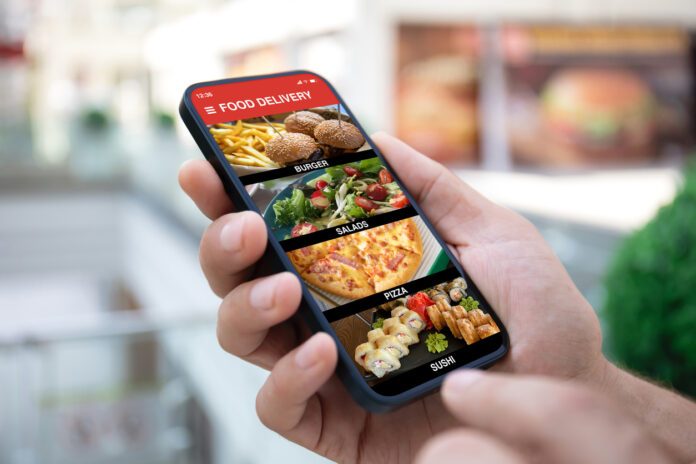

For years, restaurants have depended on big delivery platforms that promised reach but came at a steep price. Each online order carried a hidden cost, commissions that could reach 30 percent or more, slicing into already thin margins. Now, one startup is saying enough is enough.
Meet Chop Chop, the Austin-based tech company leading what it calls the Delivery Rebellion. Instead of taking a cut of every transaction, Chop Chop charges restaurants a flat monthly subscription fee, allowing them to keep their profits, their customers, and their independence.
“Restaurants are the soul of every neighborhood—and yet they’ve been treated like commodities by corporate delivery platforms,” said a Chop Chop spokesperson. “We built Chop Chop to hand power back to the people who make our food, build our communities, and pour their hearts into every plate.”
A Simpler, Fairer Model
Chop Chop’s model is elegantly simple. Restaurants pay a predictable subscription rate instead of per-order fees. That single change rewrites the economics of online delivery, especially for independent eateries that can’t afford the commissions imposed by industry giants.
Beyond savings, the platform provides restaurants with something they’ve rarely had before, ownership of their customer relationships and data. Built-in tools for marketing, analytics, and real-time engagement mean small operators can nurture loyalty and repeat business without giving away control to third-party apps.
“Most delivery apps treat restaurants like suppliers,” the spokesperson added. “Chop Chop treats them like partners.”
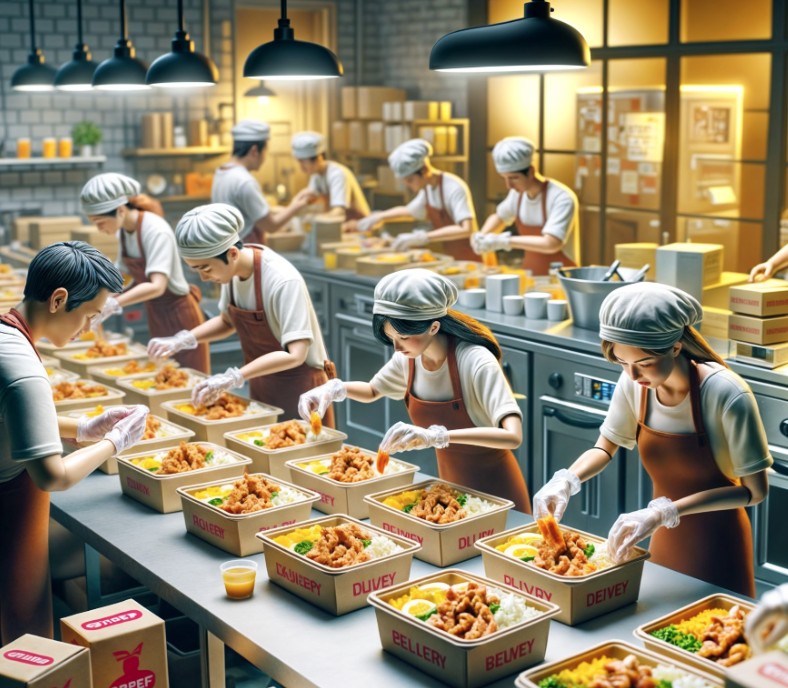
Technology That Works for Chefs, Not Corporations
Chop Chop isn’t reinventing delivery logistics, it’s reinventing who benefits from them. The company’s platform offers an intuitive interface for customers, lightning-fast ordering, and built-in payment and tracking systems. But under the hood, it’s designed to keep ownership and profit local.
Early adopters report immediate improvements in profit retention, faster repeat orders, and closer relationships with regulars. For restaurants battered by inflation, rising food costs, and labor shortages, those results could mean survival.
A Growing Market Hungry for Change
The timing couldn’t be better. The U.S. restaurant delivery market is projected to surpass $150 billion annually by 2025, yet many independent operators say they’ve seen little of that growth. As consumers grow weary of high delivery fees and impersonal service, Chop Chop’s transparent model could fill a widening gap in the market.
The company’s early marketing emphasizes partnership over disruption. It’s a call to arms for the family-owned bistro, the neighborhood diner, and the late-night ramen shop, the places that give communities their flavor but often get squeezed by tech intermediaries.
A Movement, Not Just a Marketplace
Chop Chop’s founders describe their mission as part business, part cultural statement. They see a future where restaurants use digital tools without surrendering their brand, their customers, or their margins.
By aligning its success with the success of its restaurant partners, Chop Chop hopes to create a ripple effect across the industry. The goal is not only to help local eateries survive the digital era but to thrive within it.
“Every order through Chop Chop is a vote for independence,” the company’s spokesperson said. “It’s a small act of rebellion — and it tastes better, too.”
In the end, the company’s name might be more than clever branding. For many restaurants, Chop Chop could become shorthand for cutting out middlemen and serving up something far more satisfying: freedom.
Learn more at chopchop.mobi

