


Florida continues to draw new residents at one of the fastest rates in the country. State forecasts show Florida is expected to add roughly 305,000 new residents per year — about 838 people every day — through the end of the decade, driven largely by migration from other states and abroad.
That steady influx is reshaping neighborhoods across South Florida, from Miami-Dade to Palm Beach County. But along with sunshine, waterfront living, and outdoor lifestyles comes an adjustment many newcomers do not anticipate: Florida’s unique mix of invasive wildlife.
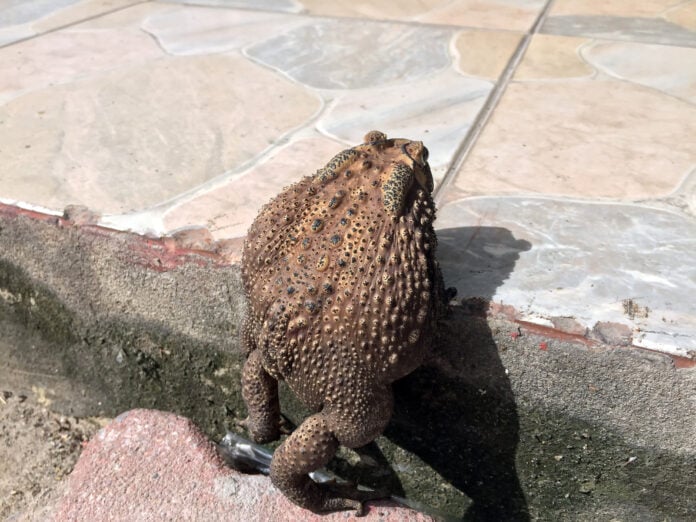
Among the most important for homeowners to understand is the cane toad.
These large, highly adaptable amphibians are now firmly established throughout South Florida’s residential areas. Cane toads secrete a potent toxin from glands behind their eyes, making them particularly dangerous to dogs and other pets. Veterinary professionals have long warned that exposure can escalate quickly, sometimes within minutes, if a pet mouths or bites the animal.
Encounters most often happen after dark. Cane toads are nocturnal and tend to move through yards, irrigation zones, and landscaping where moisture collects. The region’s dense vegetation, decorative lighting that attracts insects, and abundance of water features create ideal conditions for them to thrive.
Unlike some wildlife concerns that fluctuate with season or geography, cane toads have become a permanent part of South Florida’s environment. Their adaptability allows them to shelter in soil, mulch beds, or debris during cooler weather and re-emerge quickly when conditions allow.
That reality has led to the rise of specialized removal and prevention services across the region. One of the best known is Toad Busters, founded by invasive species expert Jeannine Tilford. The company focuses exclusively on managing toxic amphibians and similar invasive threats, using structured nighttime removal programs designed to reduce local populations before they expand.
The work also includes physical barrier installations intended to prevent toads from accessing residential properties, along with emergency response kits meant to help pet owners respond quickly if exposure occurs.

Tilford says the biggest challenge is not the toads themselves, but awareness.
“Many families relocating to Florida are encountering this species for the first time,” she explains. “Once people understand the behavior and risks, they can take steps that make their homes significantly safer.”
Wildlife agencies echo that message. Supervising pets outdoors at night, removing standing water when possible, trimming dense ground cover, and avoiding leaving pet food outside are widely recommended preventive measures. If exposure is suspected, immediate rinsing of a dog’s mouth with water and urgent veterinary care are considered critical.
Florida’s population growth underscores why this education matters. The state has added hundreds of thousands of new residents annually for years and continues to rank near the top nationally for inbound migration.
As communities expand into areas with preserved wetlands, stormwater systems, and tropical landscaping, interaction between people, pets, and wildlife naturally increases. The issue is less about alarm and more about adaptation.
Cane toads are unlikely to disappear from South Florida. They are now part of the region’s ecological landscape. What can change is how prepared residents are to coexist safely.
For longtime Floridians, the lesson is more understood. For newcomers settling into South Florida’s neighborhoods, it is simply part of learning what it means to live here.
You can learn more about Toad Busters services at ToadBusters.com.

